Underage drinking, Princess Di, and JNCO Jeans
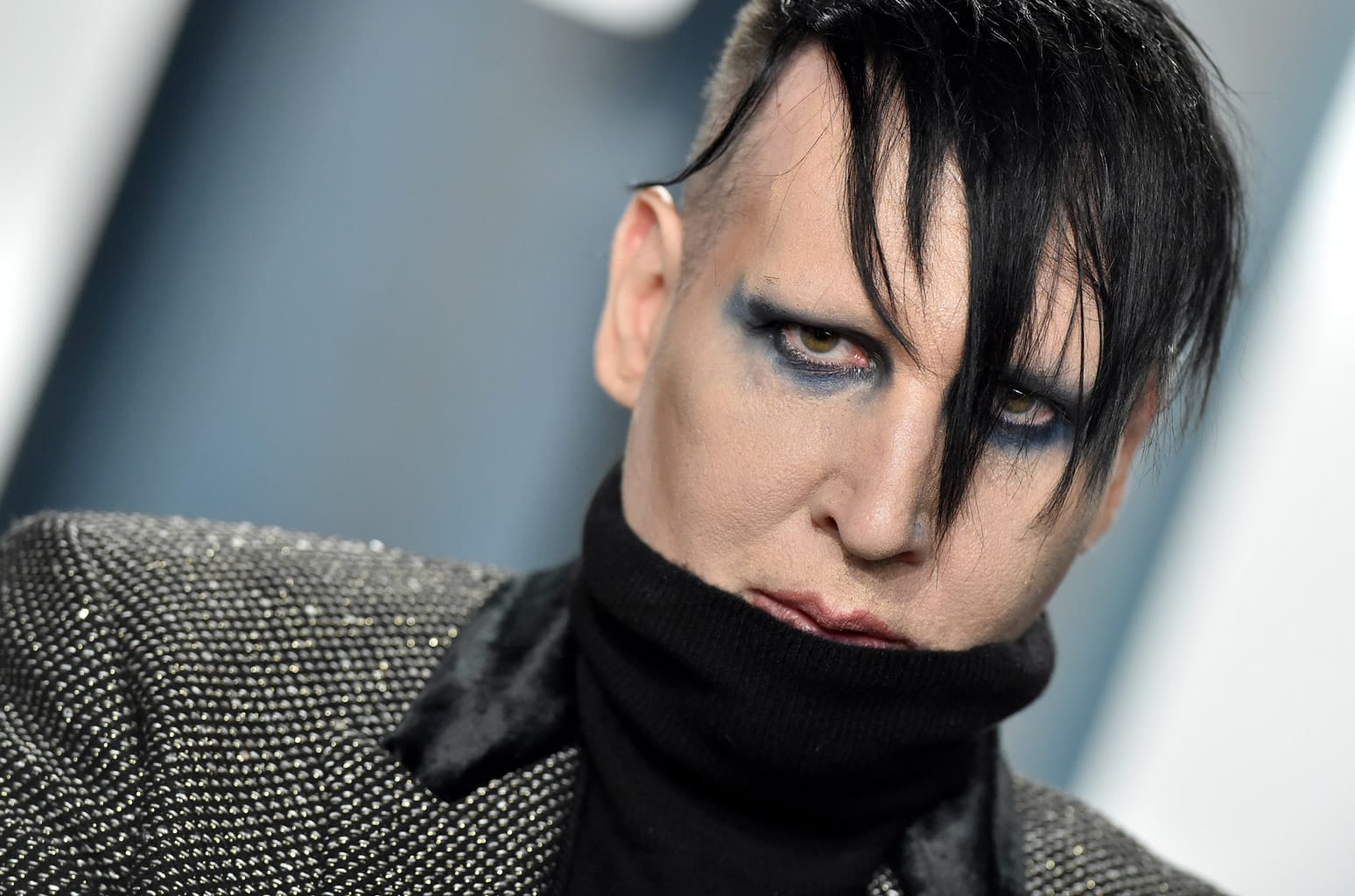
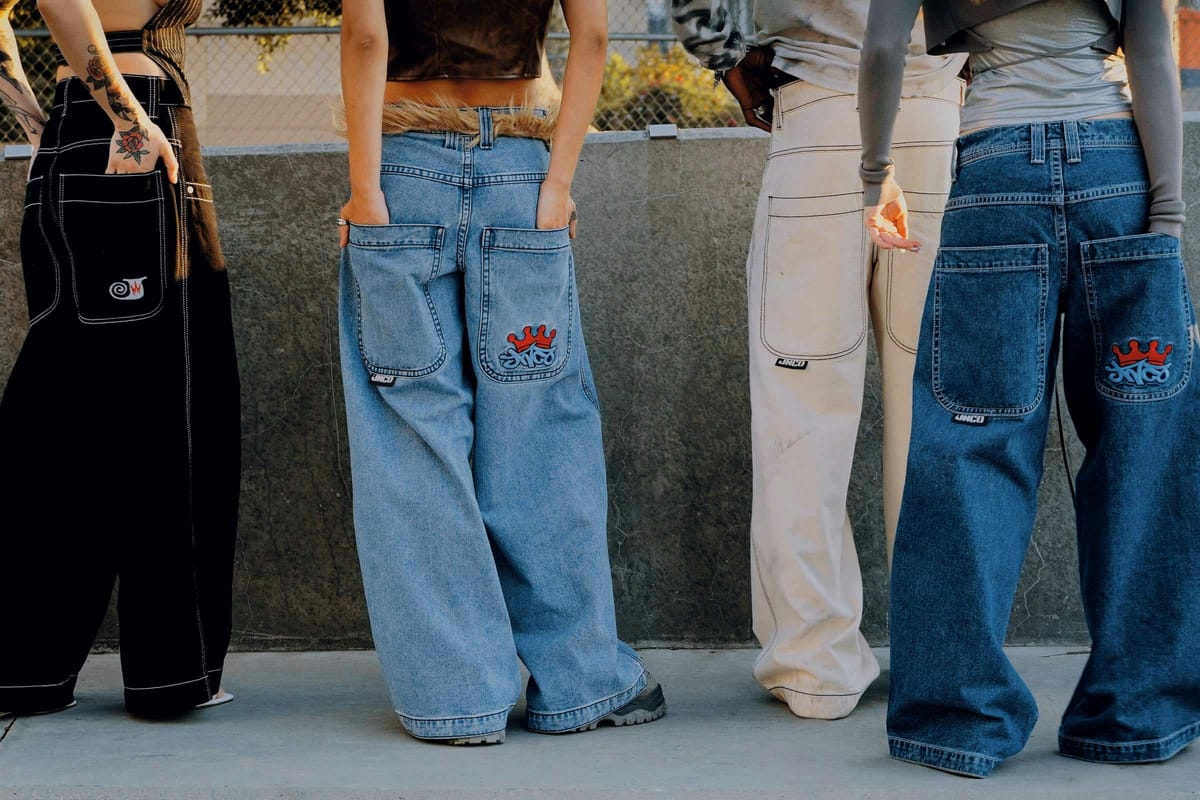
Fall Girls Entry #1: While the grownups had been partying, I had been adoringly clinging to my older step- second cousin, learning about black eyeliner, Marilyn Manson, and parachute jeans.
I was shocked to see my mother crying. We were at her husband’s cousin’s house having a weekend getaway and everyone had such a good time the night before. There were empty beer cans and overflowing ash trays and empty packages of lunch meat to prove it.
While the grownups had been partying, I had been adoringly clinging to my older step- second cousin, learning about black eyeliner, Marilyn Manson, and parachute jeans. I was ten, she was fourteen (I think) and her brother was a bit older even than that. I thought he was cute, and made eyes at him whenever he brought me the leftover beer in mostly empty cans the adults abandoned for fresh, cold ones throughout the night.
I only remember seeing my mother cry a few times before this: once when I was very little and I walked in on my father standing over her, yelling violently while she begged for him to stop and he yelled at me to tell her she deserved it; that time my cat died but I didn’t know it yet and thought she was crying because maybe she’d gotten pregnant again; and the occasional argument where she’d scream at me and my step-father for not appreciating her enough, threatening to leave us for some other family who didn’t take her for granted all the time.
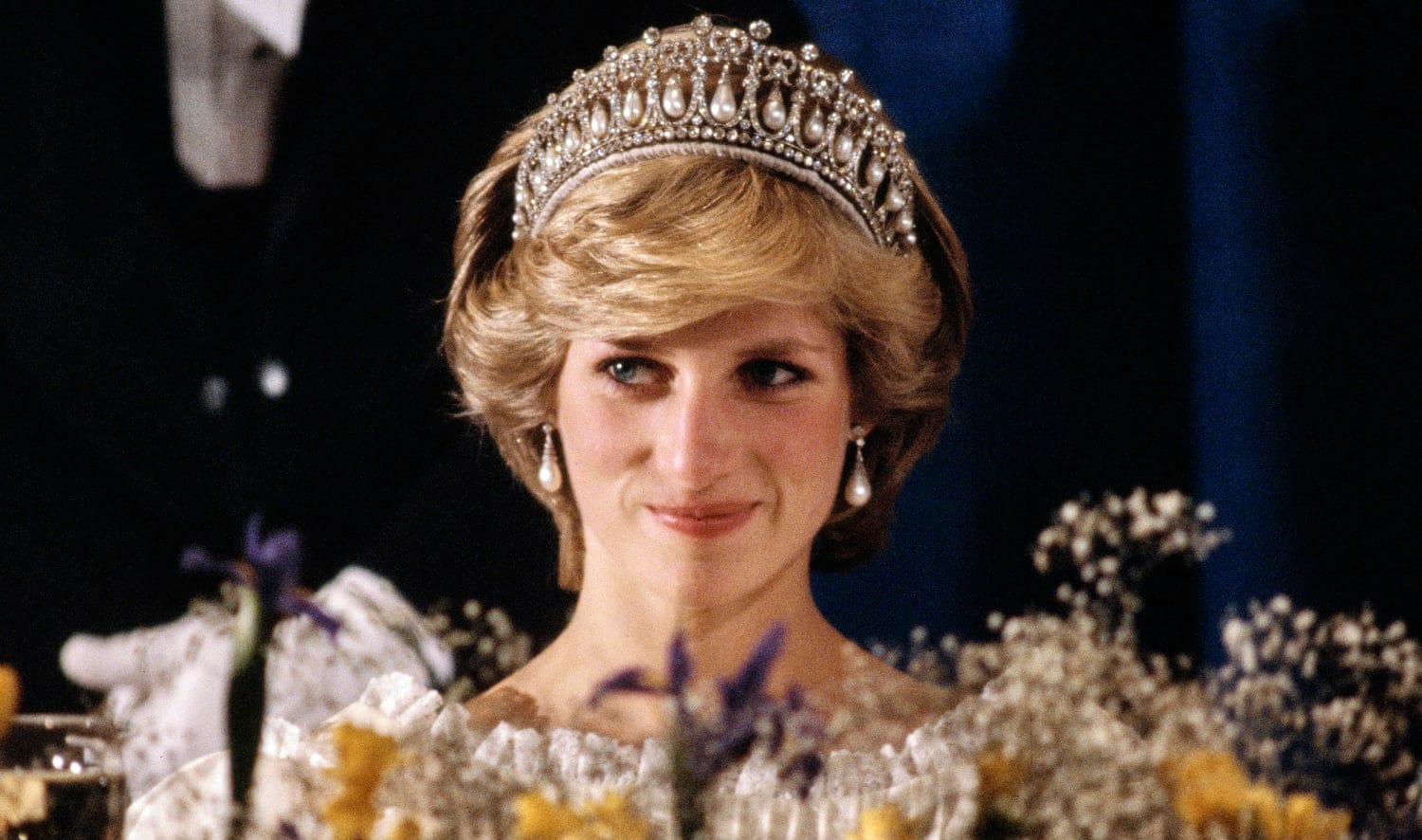
She sat in a recliner, folded in on herself, wiping her bloodshot eyes while the T.V. flashed the news. Images of a beautiful blonde woman I’d never seen before alternated with images depicting the wreckage of a brutal car accident.
“What happened? Are you OK?” I asked.
“Princess Die,” she said, a statement which only confused me. First of all, I didn’t know princesses were even real and felt instantly robbed of the chance to get to know one whose passing would mean enough to me for me to cry; second, I wondered how my mom had been able to keep her friendship with this princess secret all this time; and finally, why did she keep leaving the “d” off of died? Had grief made her stupid?
I wasn’t a baby; I was ten in 1997. But we really didn’t watch the news at home. In fact, we didn’t watch much T.V. at all. We didn’t have cable or satellite, so when we tried to watch one of the few channels we had access to, it seemed impossible to position our bunny ear antennae in a way that would keep a show static-free for any length of time. There just wasn’t a place where I would have seen the news much. No social media news feeds back then, the twenty-four hour news cycle was still in its infancy, and my friends’ parents’ televisions were always turned either to “the game” or Nickelodeon.
In school the following week, some of my teachers talked about the accident. This is where I’d learn that “Princess Die(d)” was actually “Princess Di,” and that Di was short for Dianna. I also learned that princesses were actually still a real thing, very far from here.
I wondered what a kid had to do to become one.
In the living room with my mom and step-dad and step- second cousins and their parents, I just nodded. I tried to muster grief so I could wipe my tears, too, right along with the lot of them. My cool older girl ‘cousin’ still had eyeliner and mascara on from the night before, but it was smearing now from wiping tears. She was still wearing a band T (probably ICP) and JNCOs. I guess it made sense that she was sad, too. She was pretty sensitive. I mean, we had spent all night listening to a song called “The Beautiful People.” You’d have to be a real sap to do that.
We’d seen the power and danger of the paparazzi during the Tonya Harding/Nancy Kerrigan spectacle, the O.J. Simpson trial, and the disappearance of Jon Benet Ramsey (poor girl)—for years, the tabloids at the Piggly Wiggly checkouts were plastered with, seemingly, these three stories alone—but it would be years before I’d realize that it was the paparazzi chasing the car that caused it to crash, not Prince Charles whom everybody around me seemed to blame.
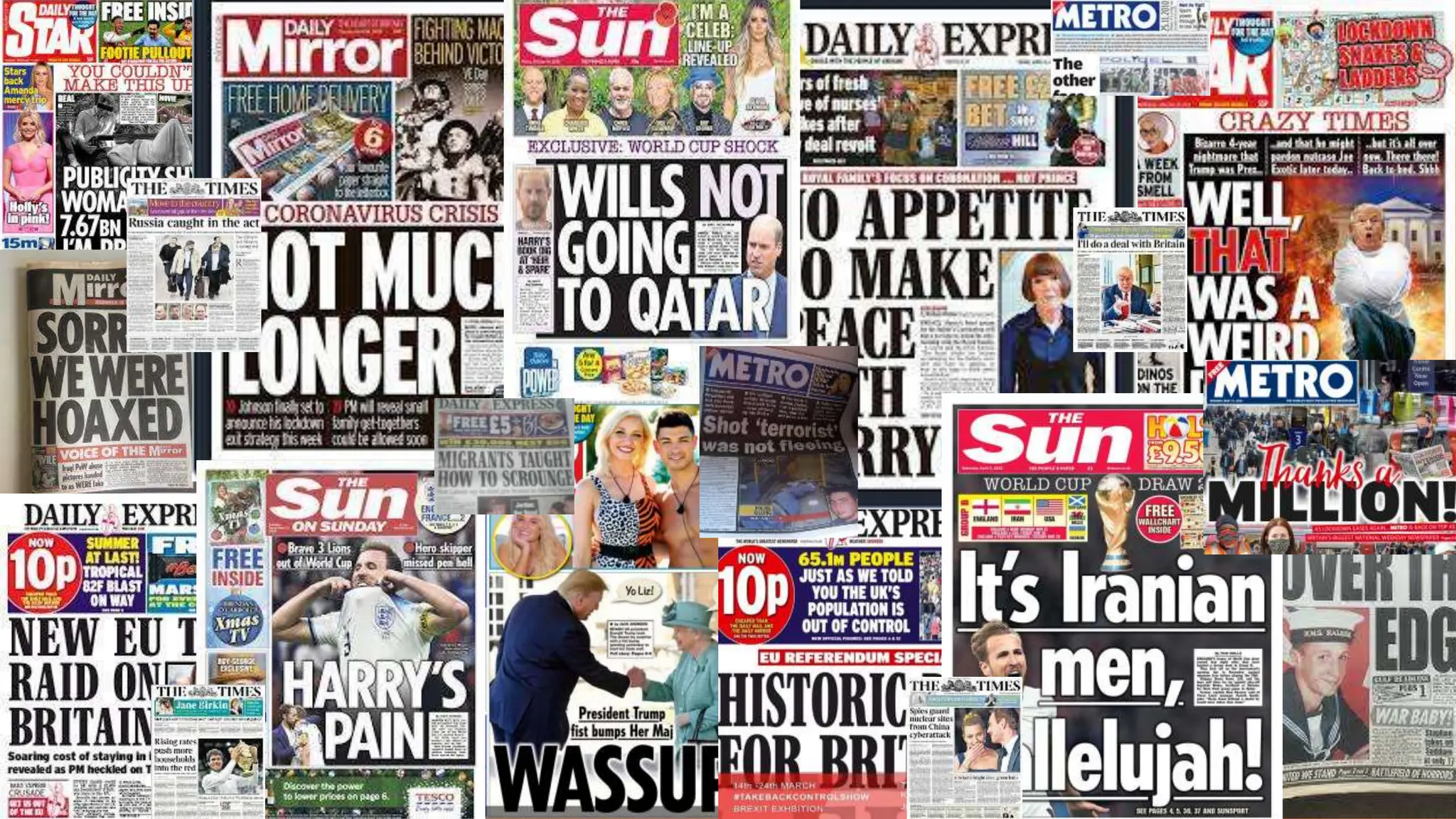
It would also be years before I’d understand that the stories I saw on the front of the tabloids, and the versions I’d hear recounted by my friends and their moms, existed because of a media-driven narrative: a narrative created by the paparazzi, the journalists who paid them, and regular people like all of us, buying the ‘magazines’ over and over again.
Eventually, I’d learn that the story I’d heard about Prince Charles murdering Diana was speculation, not fact, and that this kind of speculation is both how the tabloids made money, and also how so much of our collective memory was (and still is) made. My mother would scoff at her mother-in-law reading periodicals like the Star and National Inquirer, saying things like, “It’s not even real,” but then catch her sneaking a peak herself at grocery store lines or at friends’ houses. Why did she read them if they were fake, I wondered. Why did everybody?
Another ‘90s celebrity that media was happy enough to destroy, was Tonya Harding, someone I loved then, love now, and recently begun obsessively researching for my thesis. I’m interested in the gap between the ‘story’ and reality, and about the afterlife of these mythologies. To that end, I recently put out a casual poll to my followers to see, off the cuff, without doing an internet search, what people remembered and think they knew about Tonya Harding. Here are some of the responses I received:
- “Kneecaps"
- “Aside from the scandal, I remember her hair and costumes…"
- “Her mother."
- “Blonde with trailer park vibes who busted up Nancy Kerrigan’s leg."
- “Word count precludes all I know!!! Olympic skater, Hollywood biopic, pornstar…"
- “Ice skater who grew up kinda poor, had shot to go big but bf attacked Nancy to try to help her."
My poll sample size was minuscule, but I find it interesting that what people seem to remember about Tonya, is either information about the other people around her (her husband, her mother), what she wore (costumes), or mis-informed headlines. The only responses that actually said anything about Tonya, the person, were about her profession and economic situation. The memories that she “busted up Nancy Kerrigan’s leg” and that she was a “pornstar,” aren’t memories at all. They’re impressions–impressions that became facts in our memories because of the effects of repetition. Hear something enough times, and it becomes true.
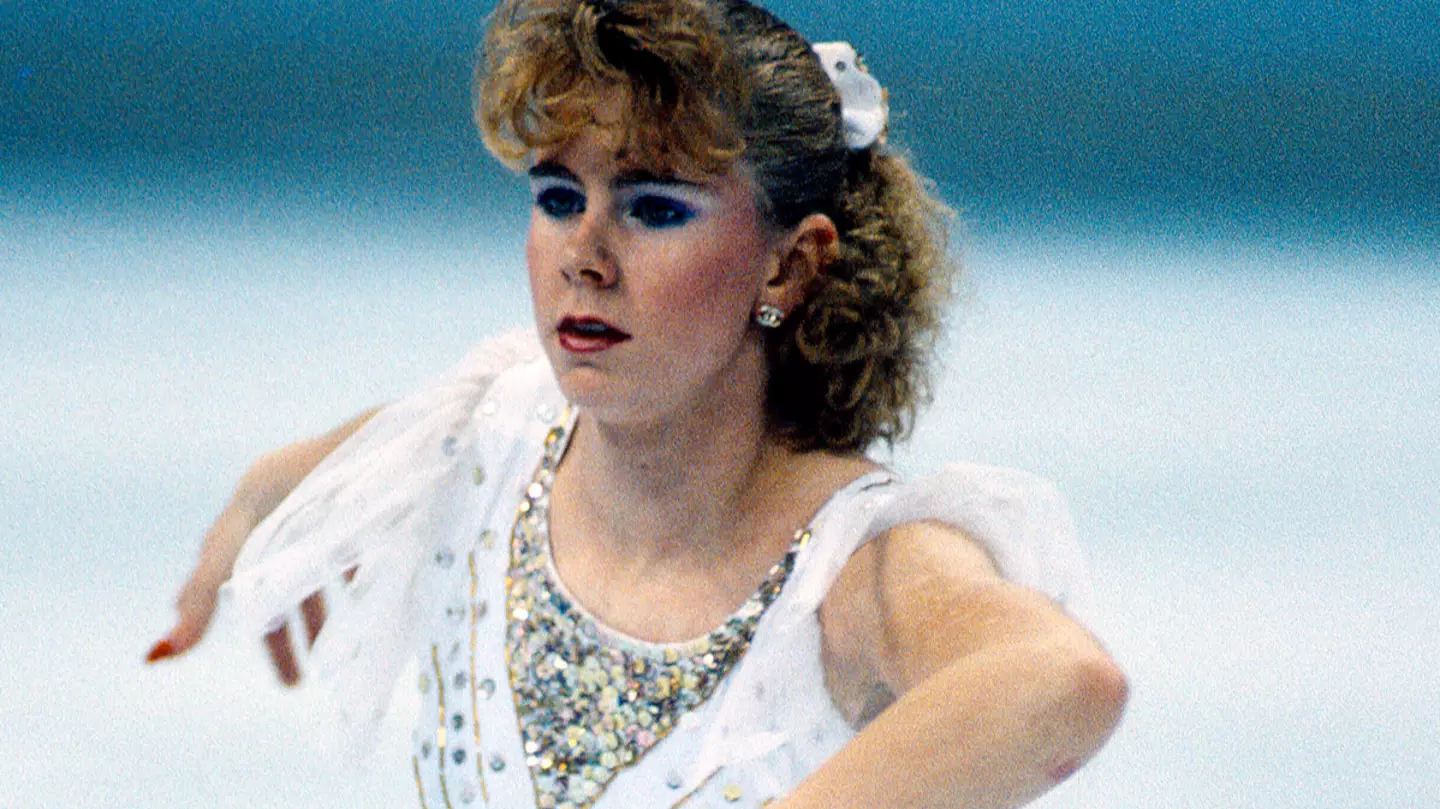
In fact, it was her abusive husband who “busted up” Nancy’s leg, and Tonya wasn’t a porn star at all. That same abusive husband leaked a private tape he had made without her permission, of Tonya giving him a sexy striptease on their wedding night … something that almost all of us have done at some time or another.
But this is what the paparazzi does. When news media is driven by profit, and profit is driven by scandal, then everything must be framed as scandal.
In Y2K: How the 2000s Became Everything, Colette Shade references the Princess Di story in a chapter called “They’re Just Like Us!” about the overexposure and exploitation of celebrities (especially female celebrities) and the parasocial relationships we develop with them. She writes about learning of Dianna’s death at just about the same age as me, as clueless as I was about the paparazzi, although probably less clueless about princesses and, specifically, this princess. And she goes on to recount storytelling around the event:
In the weeks and months following Diana’s death, a public dialogue developed around the role of the paparazzi, the media, and fame in society. Perhaps, it was suggested, it should be illegal for photographers to chase celebrities going about their private lives. Perhaps publications should stop running photographs obtained in this way. Perhaps consumers should stop buying and watching media that featured this stuff. (115)
But how can we expect anything different when the paparazzi is getting paid millions of dollars (at times) for a single shot of certain celebrities in compromising positions. How is it that there is so much money in catching people being human?
Shade goes on to say “The death of Princess Diana was not—as some speculated—an end point, but rather the opening salvo to a cruel, celebrity-crazed era of media and pop culture that would last for a decade” (116).
Here my mother was, caring enough about a woman she’d never met to genuinely grieve her death, and I could barely get her to care enough about me to give me lunch money every day. I could say it just doesn’t make sense, but then again it’s always easier to miss somebody you didn’t know well enough to resent—somebody too far removed to ever disappoint you.
When we left at the end of that weekend, I was confused. After days of doing makeup and using straight-irons and listening to “The beautiful people” with my sort-of cousin and pretending to get drunk on backwash, I wondered things like: why does my hair suck so much, why don’t I have JNCO jeans and a matching chain wallet, and why hadn’t I ever heard of Marilyn Manson before?
At the beginning of the two hour drive home, I started telling my mom about this awesome new musician I’d heard about. This really sensitive man with a beautiful name who sang about people being beautiful. I told her about the lyrics I remembered (I literally only remembered hearing “the beautiful people” over and over again, not the lyrics about shit stains and beatings and fascism) and how good the music was. I begged her to give me an advance on my allowance so I could purchase this life-changing album. Please I begged.
“Who is this again?” she asked.
“His name is Marilyn Manson,” I said, “Isn’t that cool!? Such a unique name for a man."
(God, was I precocious.)
“What!?” she sneered, “I can’t believe their parents let them listen to that garbage! He’s so gross. You will never buy any of that stuff or bring it into my house."
“But why?” I felt small, ashamed, and had the overwhelming urge to cry.
“Didn’t you hear about how he had some of his own ribs removed? Sex stuff."